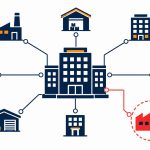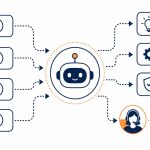

| IT for logistics and transport is the technology and IT support that connects a freight operation, linking dispatch, tracking, drivers, and the back office so every consignment moves from booking to proof of delivery to invoice as one flow. |

A truck leaves the depot at six in the morning. By nine the office has taken three phone calls asking where it is, a customer wants a proof of delivery that lives on a paper docket in the cab, and a consignment has been keyed into the system twice with two different reference numbers.
This is the everyday cost of a transport operation whose technology has not kept up with the freight. When dispatch, drivers, and the office cannot see the same information, every job carries a tax of chasing, re-keying, and guessing.
This article covers what IT for logistics and transport actually needs to do, where South Island freight operators lose time and money, and how the right setup keeps the office, the warehouse, and the cab working from one connected picture. Getting IT for logistics and transport right can let a small operator compete with a national carrier on service.
What Does IT for Logistics and Transport Actually Cover?
IT for logistics and transport covers every system that moves a consignment from order to invoice as one connected chain instead of a set of disconnected tools. That means dispatch and manifesting, real-time freight and fleet visibility, driver and depot connectivity, proof-of-delivery capture, and the links that keep the office and the road working from the same data.
For a carrier, freight forwarder, courier, or distribution firm, the technology is the business. A job that cannot be dispatched cleanly, a truck that cannot be located, or a delivery that cannot be proven all turn into phone calls, disputes, and delayed invoices. Getting the IT right is the difference between running the fleet and firefighting it. This is why IT for logistics and transport is treated as its own discipline: the systems a freight operator lives on look nothing like the office setup of an accountant or a retailer.

The systems a transport operation depends on
Most operators run a dispatch or transport management system, a fleet or GPS tracking layer, mobile apps or devices in the cab, an accounting and invoicing package, and often a customer portal for bookings and tracking. Each one matters. The problem is rarely a single missing tool. It is that these systems do not talk to each other, so the same consignment gets entered by hand in two or three places.
Why the office and the road drift apart
Freight moves faster than paperwork. A driver picks up an extra load, swaps a pallet, or hits a delay, and the office does not find out until the run is finished and the dockets come back. That gap is where billing errors, missed service-level promises, and unhappy customers come from. Closing it is the central job of good transport IT.
How Does Dispatch and Manifesting Work When the Systems Are Connected?
When dispatch and manifesting are connected, a load is entered once, assigned to a truck and driver, built into a manifest, and pushed straight to the cab. Nobody re-keys it. The dispatcher sees the whole board, the driver sees only their run, and the office sees every job move through its stages in real time. Get this part of IT for logistics and transport right and the morning scramble to work out who has what all but disappears.
This is where Exodesk brings its own freight software to bear. Zinform Logistics handles load assignment, manifesting, dispatch, invoicing, and Track-n-Trace as one connected platform, so a consignment entered at booking carries through to the invoice without being retyped. The Web Freight Scheduler lets dispatchers manage truck manifests from anywhere, not just a terminal in the depot, which matters when runs change through the day.
Connecting these moving parts is a discipline in itself, and it sits close to business software integration, which covers joining your existing systems so data stops being entered twice. For a transport operator, that integration work is what turns a stack of separate tools into a single dispatch-to-invoice flow.
Manage manifests from anywhere, on the move
Dispatch rarely stays still. Runs get reshuffled when a truck breaks down, a customer moves a pickup window, or a new urgent job lands mid-morning. A scheduler that only works from a fixed terminal forces the dispatcher to be in one seat. A cloud-based scheduler lets them adjust the board from a laptop or tablet wherever they are, and the change reaches the driver straight away.
Give customers their own consignment portal
A client consignment portal lets your customers book jobs, print labels, and track their own freight without ringing the office. Every self-service booking is one fewer phone call and one fewer chance to mis-key a job. It also makes you easier to deal with than a competitor whose only booking channel is a phone line and an email address.
Why Does Real-Time Freight and Fleet Visibility Matter So Much?
Real-time freight and fleet visibility matters because it answers the one question every transport customer asks: where is my delivery? When dispatch, the office, and the customer can all see the same live status, the where-is-my-freight phone calls stop, disputes get settled with data, and the business can promise delivery windows it can actually keep. For most operators, this one capability is the reason they finally invest in better IT for logistics and transport.
Visibility is not only about the customer. It is how you spot a run falling behind before it becomes a missed cut-off, reassign a job when a truck is delayed, and prove exactly when a delivery happened when a claim comes in weeks later. Without it, the office is working from memory and yesterday’s dockets.
Capture what happens on the road as it happens
This is where on-road capture pays off. Zinform Transsend records consignment events in real time as the driver works: pickups, transfers, swaps, delays, and final delivery updates all flow back to the office the moment they happen. Instead of finding out at the end of a run that a load changed, dispatch sees it live and can act on it.
That live feed also feeds billing. When every event is captured against the consignment as it occurs, the invoice reflects what actually happened on the road, including extra stops or waiting time that would otherwise be argued about or written off.
Keep devices in the cab under control
Drivers rely on phones and tablets to run their day, and those devices hold customer data and job information. Keeping them secure, updated, and recoverable if one is lost is the job of mobile device management. For a fleet spread across the South Island, being able to lock, wipe, or reconfigure a device remotely is what stops a lost phone in a truck stop from becoming a data breach.
What Does Poor IT for Logistics and Transport Cost a Freight Business?
Poor IT for logistics and transport costs a freight business in three currencies: wasted time, lost revenue, and lost customers. Time goes to re-keying and chasing, revenue leaks through unbilled work and disputes, and customers walk over slow answers and missed delivery windows. None of it shows up as a single line on an invoice, which is exactly why it runs unchecked for years.
Take a mid-sized carrier running twenty trucks. If each job is entered twice and a dispatcher spends ten minutes a day fielding where-is-my-freight calls, the wasted hours across a week add up to a full salary over a year. Add the deliveries that could not be proven, the waiting time that never made it onto an invoice, and the customer who moved to a competitor with a tracking portal, and the cost of standing still becomes real money.

The hidden tax of paper and phone calls
Paper dockets and phone calls feel free because no one bills for them. In practice they are the most expensive way to run a fleet. A docket sitting in a cab for three days is an invoice that cannot go out, a proof of delivery that cannot be found, and a dispute you will lose because you have no record. Every phone call to a driver is two people stopping work to swap information a connected system would have shared automatically. Most owners underestimate this cost because it never lands on one bill, but better IT for logistics and transport is often the first thing to pay for itself.
When systems go down, freight stops moving
When a dispatch board goes down, the fleet does not pause politely and wait. Trucks sit, cut-offs get missed, and the whole day slides. For most businesses an hour of system downtime is an annoyance. For a transport operator it is freight that did not move and customers who noticed, which is why reliability and fast support matter more here than in almost any other sector.
How Does IT for Logistics and Transport Connect Drivers, Depots, and the Office?
IT for logistics and transport connects drivers, depots, and the office by putting the same job data on every screen and keeping it in sync in real time. The driver captures events in the cab, the depot sees inbound and outbound freight, and the office watches the whole operation move without waiting for paperwork to catch up.
The practical work here is connectivity and reliability. Depots need solid networks and Wi-Fi so scanning and label printing never stall. Drivers need mobile coverage and apps that keep working through dead spots and sync when signal returns. The office needs its core systems available all day, because a dispatch board that goes down at eight in the morning stops the whole fleet.
Capture proof of delivery in the field
Proof-of-delivery capture replaces the paper docket with a signature, photo, or scan taken on the driver’s device and attached to the job instantly. The office no longer waits days for dockets to come back, customers get their confirmation straight away, and a disputed delivery is settled by pulling up the record rather than searching a filing cabinet.
Stop re-keying data between systems
Double entry is a steady drain on every disconnected transport operation. A job typed into the dispatch system, again into accounting, and again onto a manifest is three chances to get a reference number wrong and hours of admin nobody bills for. Connecting these systems so a consignment is entered once and flows everywhere removes the errors and gives that time back.
Does IT for Logistics and Transport Work Alongside the Software We Already Run?
Yes. Good IT for logistics and transport integrates with the freight platforms you already run rather than forcing a rip-and-replace. Zinform is built to connect with existing systems such as MyTrucking, ICOS, and similar platforms, so you can add visibility, on-road capture, or a customer portal without tearing out the software your team already knows.
This matters because most operators have invested years in a particular way of working, and their staff know it inside out. The right approach to IT for logistics and transport is to keep what works, connect what does not talk to anything, and fill the genuine gaps that are actually costing the business. A partner who insists everything must be replaced is selling their convenience, not your outcome, and the disruption of a full rip-out often outweighs the benefit.
Where a bespoke build makes sense
Sometimes an operation has a workflow that no off-the-shelf product handles cleanly, such as a specialised rural cartage schedule or an inter-island freight process with its own rules. That is when a tailored solution or a targeted piece of custom development is worth considering, built to fit the process instead of bending the process to fit the software. The right IT for logistics and transport partner will tell you honestly when a standard product does the job and when a custom build genuinely pays for itself, because over-building is as costly as under-building.
Keep it running after go-live
Software that is set up once and never maintained slowly falls behind. Ongoing managed IT services keep the dispatch systems patched, the backups tested, the devices supported, and someone on the end of the phone when a truck cannot get its manifest at five in the morning. Good IT for logistics and transport is an ongoing service, not a one-off install, because for a transport operator uptime is revenue.

What Should a South Island Transport Operator Look For in IT for Logistics and Transport?
A South Island transport operator should look for IT for logistics and transport from a partner who understands freight, not just servers. That partner should be able to connect dispatch to the road, keep depots and drivers online across Canterbury and Otago, secure the data moving through the fleet, and answer the phone when a run cannot wait. Local response matters when a depot in Christchurch or Dunedin needs someone on site the same day.
South Island freight covers a lot of ground, from Canterbury and Otago distribution to rural cartage and inter-island freight. Coverage gaps, long distances, and mixed fleets are the norm, not the exception. The technology has to hold up in that environment, and the support has to reach it. When a run is stuck at five in the morning, you want to be talking to someone who knows your operation and can be at your depot the same day, not logging a ticket with a call centre in another time zone. A partner who has worked with local operators since 1989 knows the roads, the seasons, and the way freight actually moves down here.
Protect the data moving through the fleet
Consignment records, customer details, and delivery data all count as personal information under the NZ Privacy Act. A transport operation holds a surprising amount of it, spread across dispatch systems, driver devices, and customer portals. Knowing where that data sits and keeping it protected is part of running a freight business responsibly, and it is a question customers increasingly ask before they hand you their loads.
One record, from the office to the rural roadside
Everything above comes down to one thing: a load booked in the office and a delivery signed for on a rural road should be two ends of the same job, with nobody typing it twice and nothing lost in between. Good IT for logistics and transport delivers exactly that across a whole fleet. It is the same problem IT for manufacturing deals with between the shop floor and the office: capture data where the work happens, keep it in sync, and never make anyone key the same thing twice. Sort that out and you can take on more trucks and more customers without the admin behind them piling up at the same rate.
Keep Your Freight, Fleet, and Office Moving Together
Exodesk has supported South Island businesses since 1989, and we build our own freight and logistics software, so we understand transport from the dispatch board to the cab. Whether you need to connect your systems, add real-time visibility, or put proper support behind your fleet, our IT for logistics and transport helps operators across Christchurch, Dunedin, and the wider South Island move freight without the paperwork chasing them.
Contact us today to discuss how we can help your transport business, or connect with us on LinkedIn to stay updated with more insights.
Frequently Asked Questions
What is IT for logistics and transport?
This term describes the technology a freight operation runs on and the support that keeps it working. Dispatch and manifesting, real-time freight tracking, driver and depot connectivity, proof-of-delivery capture, and the integration between them all sit under it, and the aim is to move a job from booking to invoice through one joined-up chain instead of five disconnected tools.
Why do transport businesses need specialised IT?
Transport businesses need specialised IT because their systems are the business: a job that cannot be dispatched, tracked, or proven turns straight into phone calls, disputes, and delayed invoices. Generic office IT does not cover dispatch, fleet visibility, or on-road capture, so a partner who understands freight makes the difference between running the fleet and firefighting it.
How does real-time freight tracking help my customers?
Real-time freight tracking answers the question every customer asks, which is where their delivery is, without them ringing the office. When dispatch, the office, and the customer see the same live status, where-is-my-freight calls drop, disputes are settled with data, and you can promise delivery windows you can actually keep.
Can new transport software work with the systems we already use?
Yes. Good transport IT integrates with the freight platforms you already run rather than forcing a full replacement. Zinform is built to connect with existing systems such as MyTrucking and ICOS, so you can add visibility, on-road capture, or a customer portal while keeping the software your team already knows.
What is proof-of-delivery capture?
Proof-of-delivery capture replaces the paper docket with a signature, photo, or scan taken on the driver’s device and attached to the job instantly. The office stops waiting for dockets to come back, customers get confirmation straight away, and a disputed delivery is settled by pulling up the record rather than searching a filing cabinet.
How do I stop staff entering the same job twice?
You stop double entry by connecting the systems so a consignment is entered once and flows everywhere it is needed. When dispatch, accounting, and the manifest all draw from the same record, the re-keying disappears along with the reference-number errors and the unbilled admin hours it creates.
Is driver and fleet data covered by the NZ Privacy Act?
Yes. Consignment records, customer details, and delivery information all count as personal information under the NZ Privacy Act. A transport operation holds a surprising amount of it across dispatch systems, driver devices, and portals, so knowing where that data sits and keeping it protected is part of running the business responsibly.
How are driver phones and tablets kept secure?
Driver phones and tablets are kept secure through mobile device management, which lets you lock, wipe, update, and reconfigure devices remotely. For a fleet spread across the South Island, that control is what stops a lost device in a truck stop becoming a data breach, while keeping the apps drivers rely on working reliably.
What does Zinform freight software do?
Zinform is Exodesk’s own freight and logistics software. Zinform Logistics handles load assignment, manifesting, dispatch, invoicing, and Track-n-Trace, the Web Freight Scheduler lets dispatchers manage manifests from anywhere, and Zinform Transsend captures on-road events such as pickups, transfers, delays, and final delivery updates in real time.
Do you support transport businesses across the South Island?
Yes. Exodesk supports transport and logistics operators across Christchurch, Dunedin, and the wider South Island, covering Canterbury and Otago distribution, rural cartage, and inter-island freight. Local response means someone can reach a depot the same day when a run cannot wait for help.
Is IT for logistics and transport the same as buying freight software?
No. Freight or dispatch software is one piece of the picture, while IT for logistics and transport is the wider job of connecting that software to your drivers, depots, office, and accounting, then keeping it all secure and running. Exodesk both builds freight software and provides the surrounding IT support, so the systems work together rather than in isolation.
How much does IT for logistics and transport cost?
Cost depends on fleet size, how many systems need connecting, and the level of support and security required, so pricing is quoted per operation rather than as a fixed figure. Most transport operators find the investment pays for itself through fewer admin hours, fewer billing errors, and less downtime. Exodesk can scope a setup to a specific budget after reviewing how the operation runs.